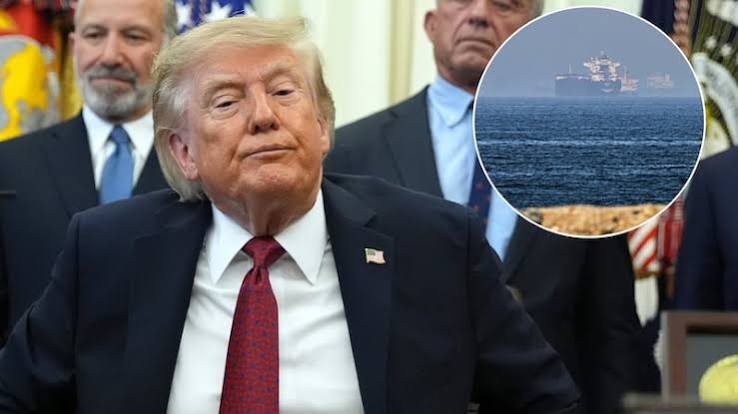
President Trump has floated renaming the Strait of Hormuz, the narrow and strategically vital waterway at the center of the escalating US-Iran conflict, in a move that quickly became one of the most talked-about threads of the widening Gulf standoff.
A Symbolic Flashpoint
The proposal emerged as fighting between American and Iranian forces intensified around the strait, through which roughly a fifth of the world's oil supply passes each day. Renaming suggestions circulating among Trump allies have focused on stripping the waterway of its Persian-linked name, a largely symbolic gesture that critics say does little to address the underlying military escalation.
Coming Amid Real Military Stakes
The idea surfaced the same week Iran claimed new drone and missile attacks on US bases across the Gulf in retaliation for American strikes inside Iranian territory, with Jordan's military saying it intercepted the majority of missiles fired at its positions. Air defenses on both sides have been working overtime, and the naming debate has unfolded against a backdrop of real casualties and disputed claims from both governments.
Mixed Reactions
Supporters of the idea have framed it as a show of resolve against Tehran, while foreign policy analysts have largely dismissed it as a distraction that carries no legal weight internationally, since the strait's name is recognized globally through maritime conventions that a unilateral US relabeling could not change. Regional governments have not commented substantively on the renaming proposal, remaining focused instead on the military exchanges themselves.
What Happens Next
With oil markets already rattled by weeks of strikes and countersteps, analysts say the renaming talk is unlikely to move markets on its own, but it has added another layer of attention to a conflict that shows no sign of cooling as both sides continue trading fire across the region.