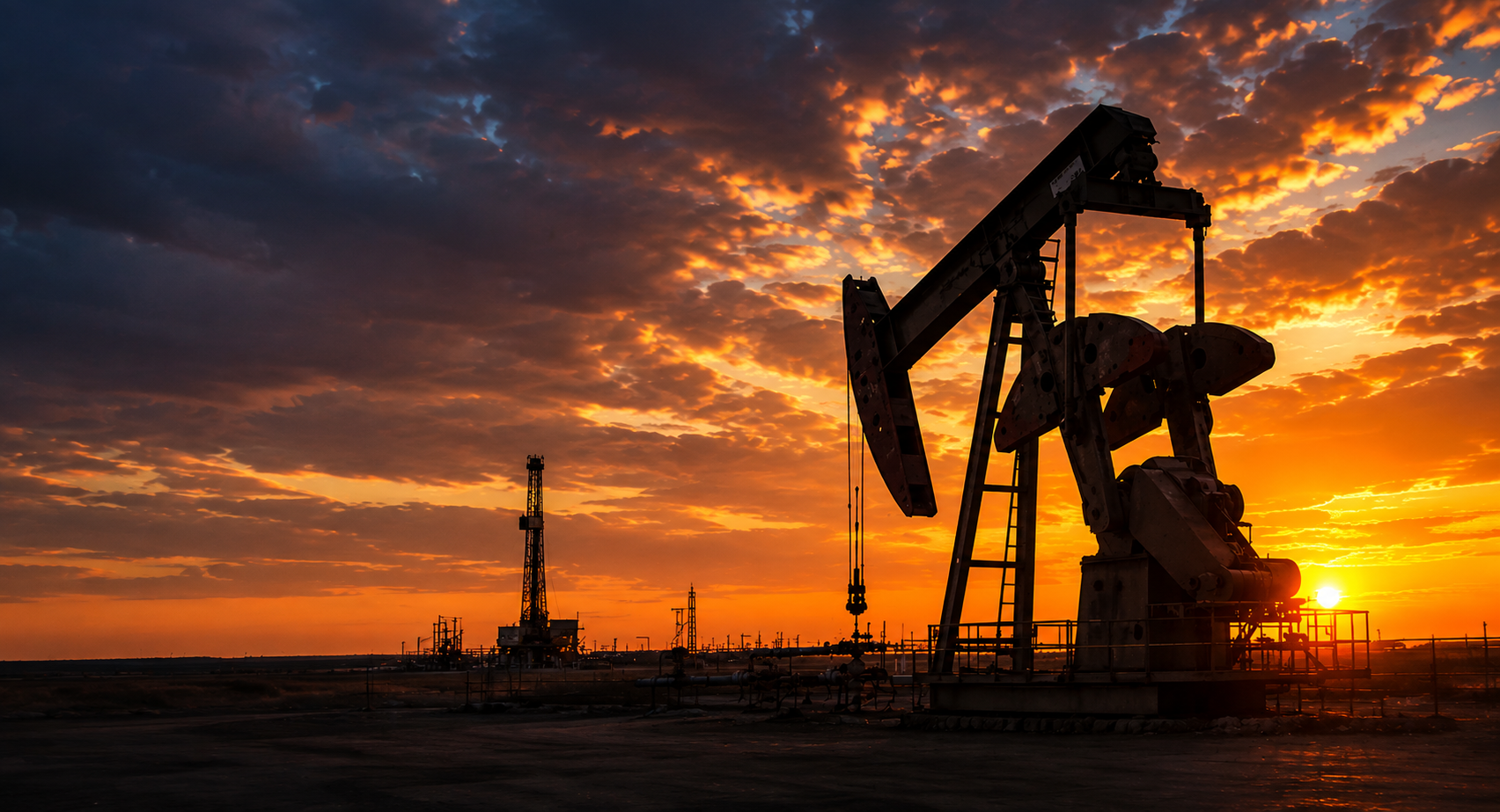
Global oil benchmarks jumped as much as 2% in early Monday trading after the US military struck Iranian rocket launchers near the Strait of Hormuz over the weekend, reviving fears of a supply disruption through a corridor that carries roughly a quarter of the world's seaborne oil.
Wall Street Opens On The Back Foot
Futures for the S&P 500, Nasdaq and Dow all pointed lower Monday, with mega-cap names including Microsoft, Alphabet and Tesla each slipping between 1% and 2.5% in premarket trade, while energy stocks bucked the trend, with Chevron among the session's early gainers.
A Rate Hike Now Looks More Likely
The flare-up landed just as traders were already digesting hawkish remarks from Federal Reserve Chair Kevin Warsh on inflation risk. The combination pushed up bets on a rate increase at the Fed's next meeting, weighing further on rate-sensitive sectors like banking and credit.
Markets Had Been Riding High
The pullback follows a strong month for US equities, with the S&P 500 up roughly 2.5% in August and the Nasdaq gaining nearly 4%, buoyed by upbeat earnings from Nvidia and other big tech names. The CBOE Volatility Index had slid to its lowest level of the year on Friday, just before Sunday's strikes.
A Familiar Pattern Six Months In
This isn't the first time Middle East tensions have jolted markets this year — a burst of volatility followed the initial outbreak of the conflict in February before fading over the summer. Strategists note the VIX has historically climbed through September, and Sunday's news gives that seasonal pattern an early push.
With China's factory activity also showing a second straight month of contraction, traders now face a packed week of economic signals layered on top of an unresolved conflict thousands of miles from Wall Street.