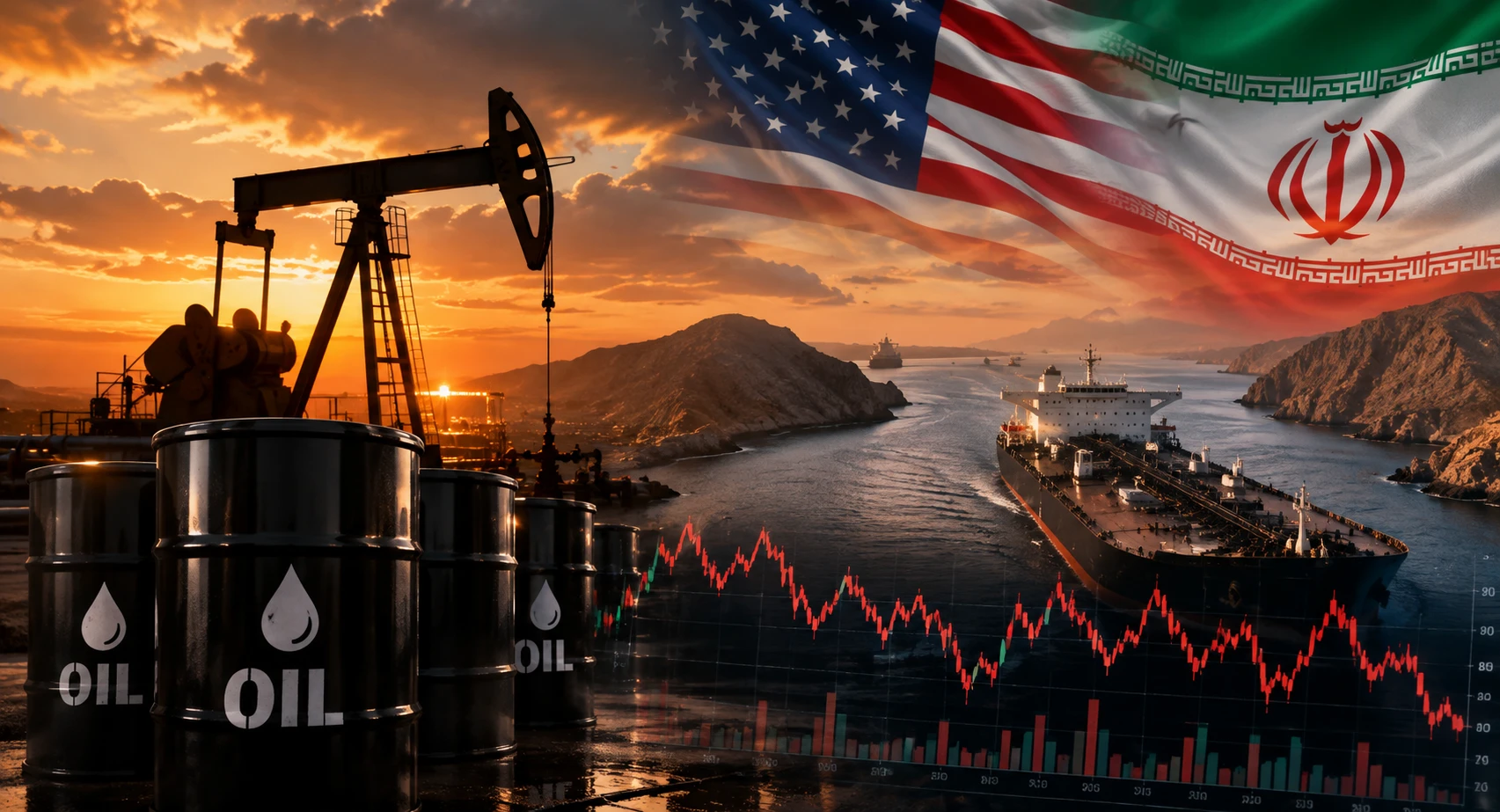
Oil markets remain on edge as negotiations between the United States and Iran over reopening the Strait of Hormuz continue to stall, with Brent crude swinging between roughly $78 and $90 a barrel over the past two weeks alone. The strait, a chokepoint that normally carries about a fifth of the world's oil supply, has seen traffic collapse to a fraction of pre-conflict levels since fighting broke out between the US, Israel and Iran earlier this year.
Ship-tracking data from MarineTraffic showed only eight to fifteen vessels crossing the strait on some recent days, compared with roughly 130 transits before the conflict began. The disruption has been described by analysts as the largest energy supply shock in recorded history, forcing tankers to either wait indefinitely or turn back entirely rather than risk passage through contested waters.
A Deal That Keeps Slipping Away
The US and Iran signed a memorandum of understanding back on June 17 aimed at reopening Hormuz to commercial shipping, but the agreement collapsed almost immediately as fighting resumed over which specific routes vessels would be allowed to use. Iran has continued to demand that ships sail through its territorial waters when transiting the strait, while the US has maintained a naval blockade in response to renewed attacks on tankers.
Treasury Secretary Scott Bessent suggested in early August that a breakthrough deal could arrive within days, and President Trump has repeatedly signaled that talks were close to a resolution. But each round of optimism has been followed by setbacks: Iranian state media published a restrictive draft proposal that would ban US and Israeli vessels outright and impose steep penalties on other nations it accuses of wrongdoing, while Iran's foreign ministry has separately demanded that Washington lift its naval blockade and pay war reparations before any deal can proceed.
What It Means for Prices
The back-and-forth has kept traders on edge, with Brent crude still up roughly 16% to 24% compared with levels before the US-Israel war on Iran began in late February. The US Energy Information Administration does not expect Middle East oil production to return to anywhere near pre-conflict levels until early 2027, and projects Brent will average around $87 a barrel for the year.
Analysts warn that further escalation, including any new Houthi attacks on Saudi infrastructure or a sustained deadlock in talks, could send prices sharply higher again. For now, markets are stuck in a holding pattern, reacting to every fresh headline out of Washington, Tehran and Muscat, where Iran and Oman continue separate negotiations over how shipping through the strait might eventually resume.