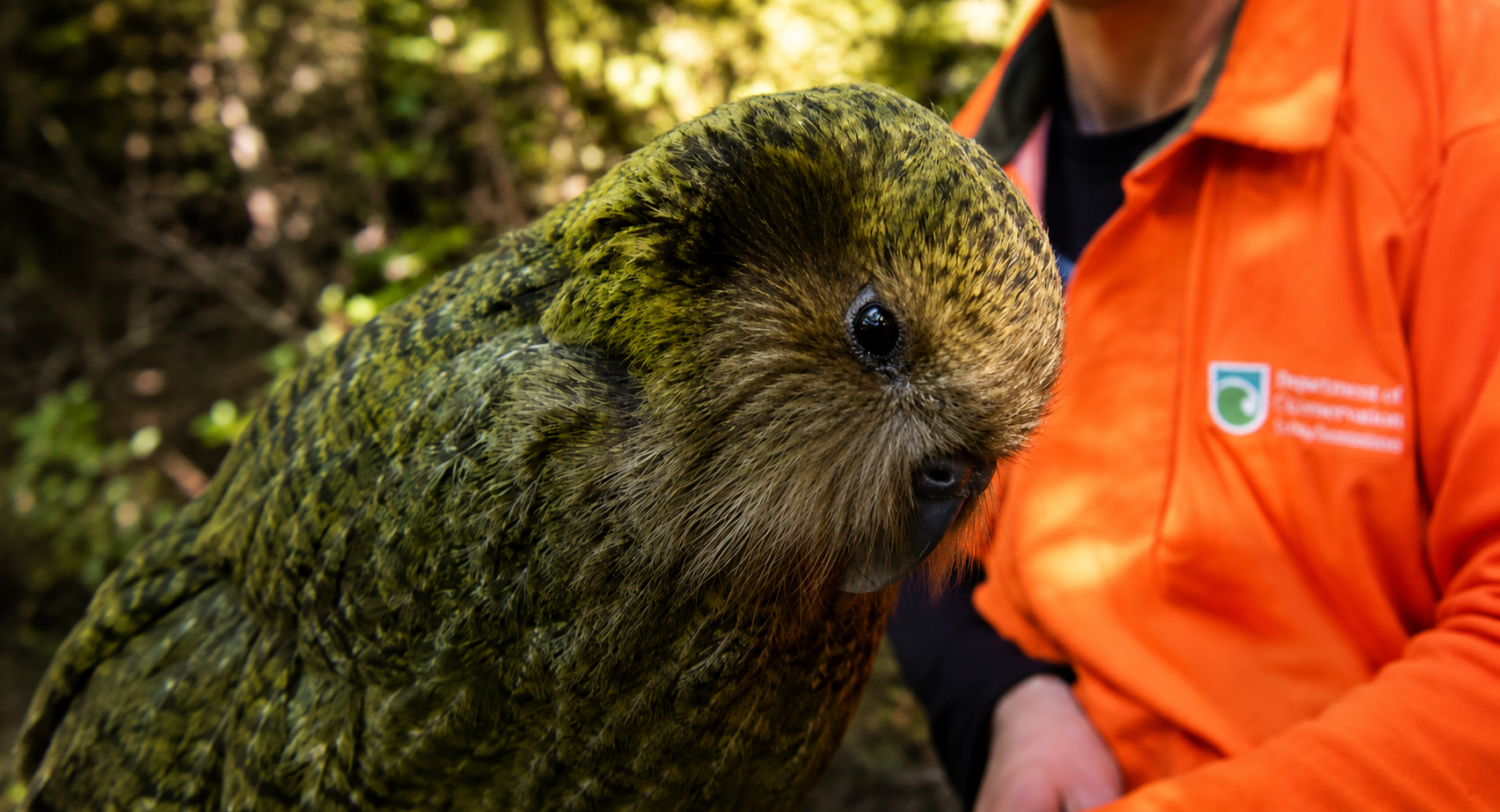
New Zealand's Department of Conservation says the country's kākāpō population has climbed to 325 birds after a record breeding season added 90 chicks, pushing the critically endangered parrot species above 300 individuals for the first time in 75 years.
A Species Back From The Brink
The flightless, nocturnal kākāpō was once thought to be on an unstoppable path to extinction, with the population dropping to just 51 birds in the 1990s after centuries of predation by introduced species like rats, stoats and cats decimated its numbers across mainland New Zealand.
Decades Of Intensive Conservation
Conservationists credit the rebound to a decades-long recovery program that relocated the entire population to predator-free offshore islands, combined with careful management of breeding, health monitoring and supplementary feeding during nesting seasons. Each bird is individually tracked and named, an approach that has made the kākāpō one of the most closely monitored species on the planet.
Why This Season Was Different
This year's breeding season proved unusually productive, with a strong crop of native rimu fruit, a key food source that triggers kākāpō breeding, helping drive the surge in chicks. Conservation officials said the 90 new additions represent one of the largest single-season gains recorded since tracking began.
The Road Ahead
Despite the milestone, officials caution that the species remains critically endangered and dependent on continued human intervention, with limited genetic diversity and a slow breeding cycle still posing long-term risks. The next goal for the recovery program is to establish additional predator-free sites so the population can keep expanding beyond its current island refuges.