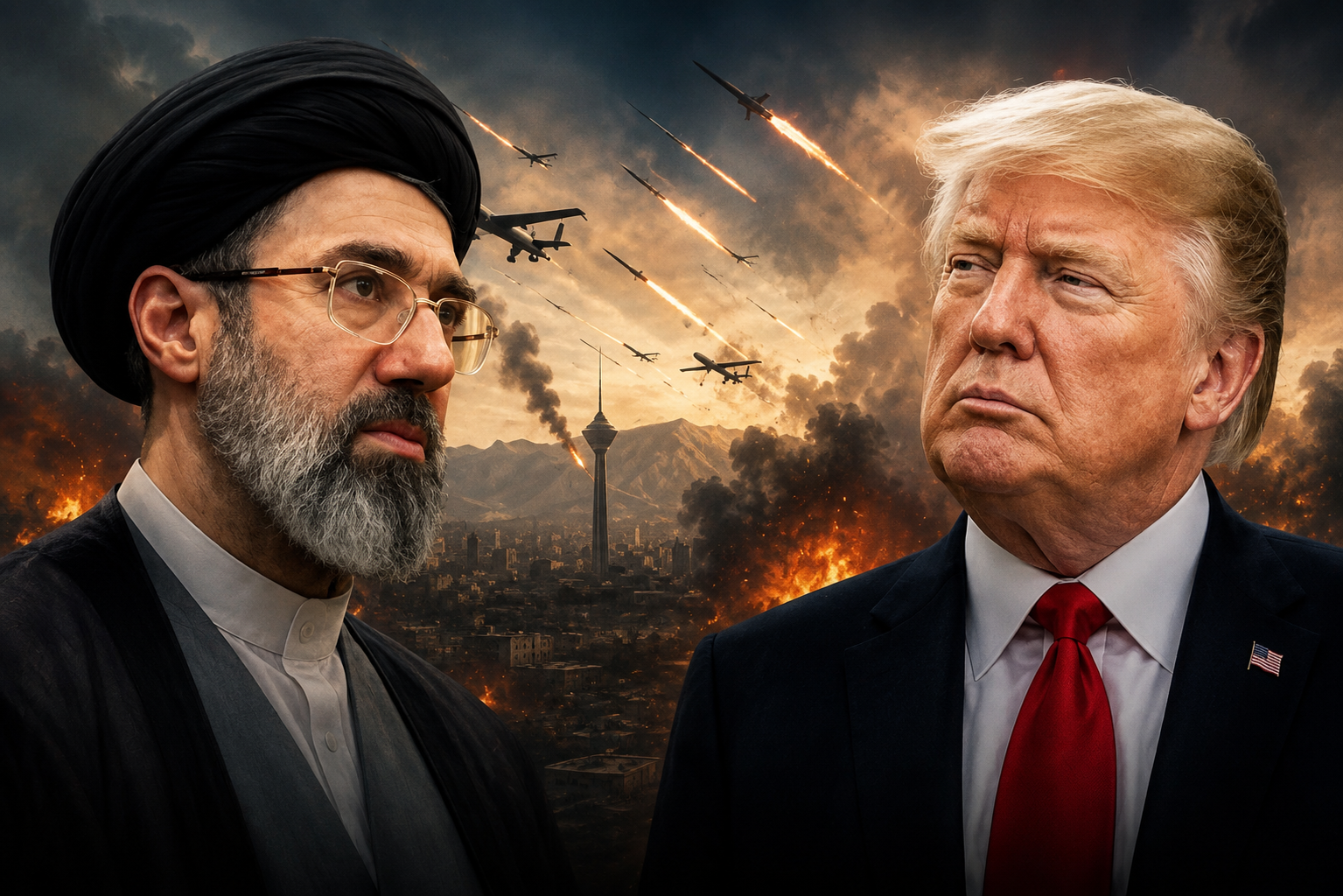
Iran launched a wave of missile and drone strikes against American military assets in Bahrain, Jordan, Kuwait and Iraq's Kurdistan region on Wednesday, retaliating within hours of a fresh round of US attacks on Iranian territory that Tehran says killed 11 people.
A Rapid Escalation
The exchange marks the heaviest fighting between Washington and Tehran in weeks, reigniting a conflict that had appeared to be cooling. US Central Command said its strikes targeted Revolutionary Guard air defense, radar, maritime and communications facilities along Iran's southern coast, while Iranian state media reported that an American strike hit a wedding ceremony in Hormozgan province, a claim US officials have denied.
Gulf Bases On Alert
Air-raid sirens sounded across Bahrain and Kuwait as Iran's Revolutionary Guard said it fired ballistic missiles and drones at a US Marine base and an airbase in Jordan, a Patriot air-defense position in Kuwait, and a facility hosting American forces in Bahrain. Iranian forces also claimed a combined missile and drone attack on US positions near Erbil in northern Iraq, saying it destroyed equipment warehouses and a repair facility, though neither Baghdad nor Washington has confirmed the claim.
Conflicting Casualty Reports
Iranian officials say American troops were killed in the strikes on bases in Jordan, while US officials maintain there have been no casualties among their forces, a discrepancy that regional analysts warn could determine whether the conflict spirals further. Jordan's army said it intercepted several ballistic missiles fired from Iran, with a few landing in remote areas and no injuries reported.
Trump's Warning
President Trump had cautioned Iran against retaliating, saying the country would face a far heavier response if it struck back, and his administration has cast the latest US strikes as punishment for an earlier Iranian attempt to mine the Strait of Hormuz and target American shipping. With both sides trading blame and battlefield claims difficult to independently verify, regional governments including Israel have put their forces on alert for wider spillover.
Markets Rattled Again
The renewed hostilities have already pushed oil prices and global bond yields sharply higher this week, and investors are now watching to see whether Wednesday's Gulf strikes trigger a further reprisal from Washington or open a path back toward de-escalation.