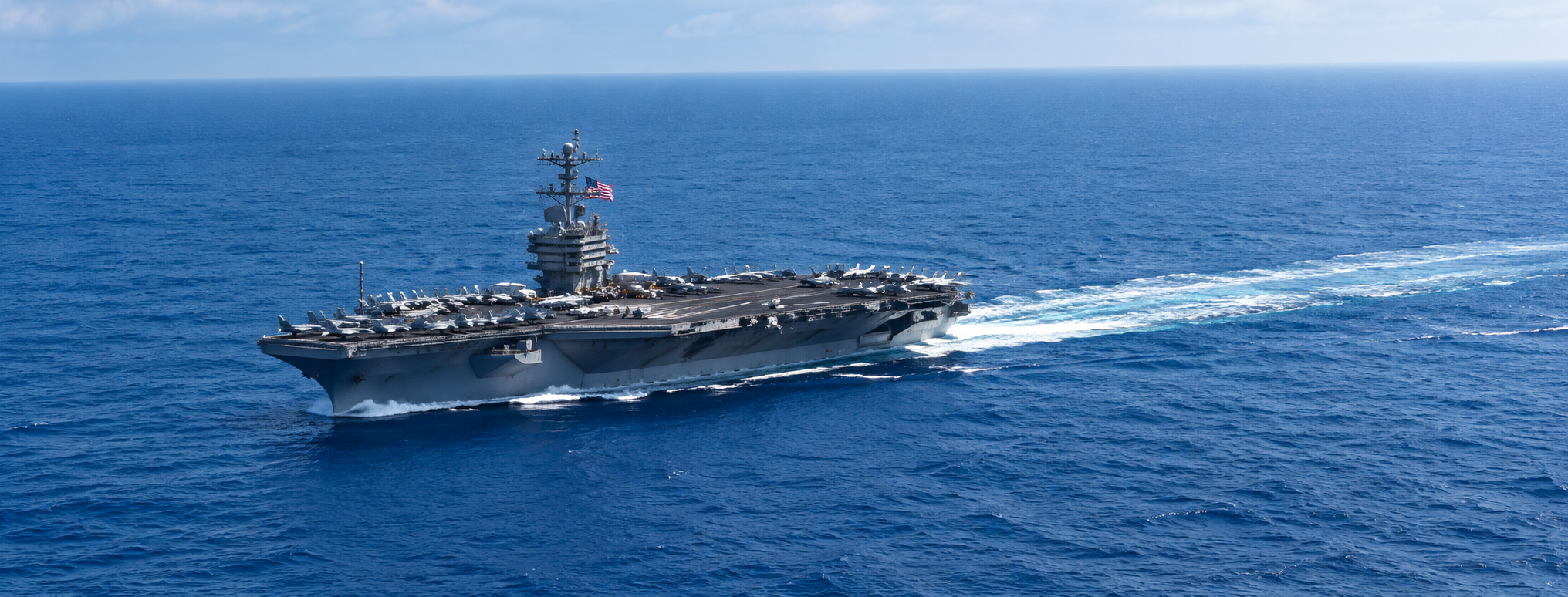
Iran's Islamic Revolutionary Guard Corps says it fired ballistic missiles at a US aircraft carrier and a Navy destroyer early Sunday, marking one of the most direct escalations yet in the monthslong confrontation between Washington and Tehran around the Strait of Hormuz.
Competing Accounts Of The Strike
The IRGC said its Aerospace Force targeted the two warships after accusing them of harassing Iranian vessels and taking part in a naval blockade, claiming both ships sustained damage and were forced to leave the area. US Central Command offered a starkly different account, saying the carrier and destroyer successfully evaded multiple unprovoked Iranian attacks and that no American personnel were injured.
A Retaliatory Cycle
The missile attack came hours after US forces struck three Iranian oil tankers in response to earlier Iranian missile fire at Navy ships patrolling the region, part of a broader flare-up this week following roughly a month of relative calm. CENTCOM confirmed separately that an oil tanker, the M/T Kylo, sank in the Gulf of Oman the same day.
Verifying The Claims
Neither side's account of the naval engagement has been independently confirmed, and CENTCOM has not disclosed which vessels were involved or how they defended themselves against the incoming missiles. Military analysts say the outcome will offer a rare real-world test of how well a US carrier strike group can track and intercept ballistic missiles aimed at maneuvering warships.
Warnings Of Worse To Come
The IRGC warned that continued US military action would draw a heavier response from Iran's armed forces, a message that came a day after President Trump appeared to downplay the broader conflict as "small potatoes" in a Reporters exchange at the White House. With both sides trading strikes at sea and Iran's oil exports already disrupted by a US blockade since April, regional oil markets remain on edge over how far the exchanges could escalate.