A disturbing new trend has emerged across Britain and Ireland this summer, one that authorities say is directly contributing to a string of fatal road accidents. Groups of mostly young men have begun filming themselves deliberately driving the wrong way down major motorways, then posting the footage online in pursuit of likes, views and followers, a phenomenon cyberpsychology experts describe as effectively gamifying life-threatening behavior for an audience that rewards recklessness with social validation.
A Deadly Pattern Emerges
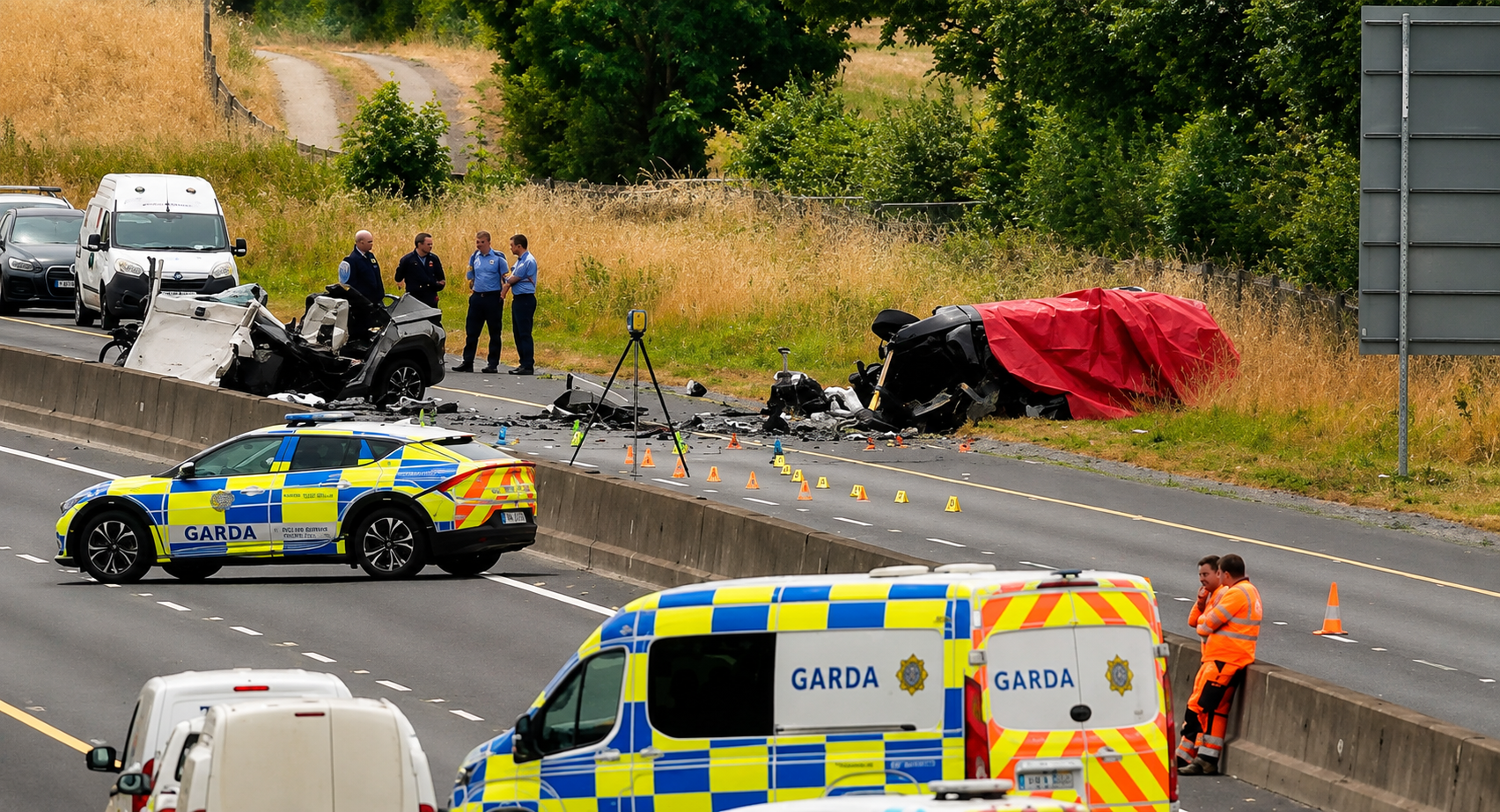
The trend came into sharp national focus after a crash near Middlesbrough, England, in which a police vehicle collided with a car on the A66 motorway, killing two police officers. Earlier in August, five teenagers were killed in a separate collision in Ireland after a car was driven the wrong way down a motorway, with three women and a boy hospitalized. Justin Kelly, head of Ireland's national police force, publicly condemned the behavior, specifically highlighting cases where the reckless driving appeared to have been undertaken deliberately to generate social media attention.
The Numbers Behind The Trend
Irish broadcaster RTÉ reported 62 separate incidents of vehicles being driven the wrong way down motorways so far this year in Ireland alone, an increase of roughly 32 percent compared to the same period the previous year. In response, the British government formally called on major social media companies this week to remove videos celebrating or documenting dangerous wrong-way driving from their platforms.
Why This Trend Is Different
Mary Aiken, a professor of cyberpsychology at Capital Technology University, explains that filming transforms the psychological experience of the driver: once a dangerous act is being recorded for an online audience, it can start to feel less like a genuinely risky real-world action and more like a game, even as the real-world risk remains entirely unchanged. Aiken points to the immediate, visible social rewards of likes and follower growth as a powerful feedback loop that can escalate the behavior over time, drawing comparisons to other viral risk trends like teen takeovers and the blackout challenge.
Technology companies now face mounting pressure from officials, law enforcement and grieving families to more aggressively remove content that glorifies dangerous driving before it inspires imitators, though it remains unclear how quickly platforms can identify and remove the volume of material involved. Neither British nor Irish authorities have announced specific new legislative measures targeting the trend, leaving the government's public appeal to platforms as the most concrete official response so far, even as the underlying incentive structures that helped give rise to it remain largely unchanged.