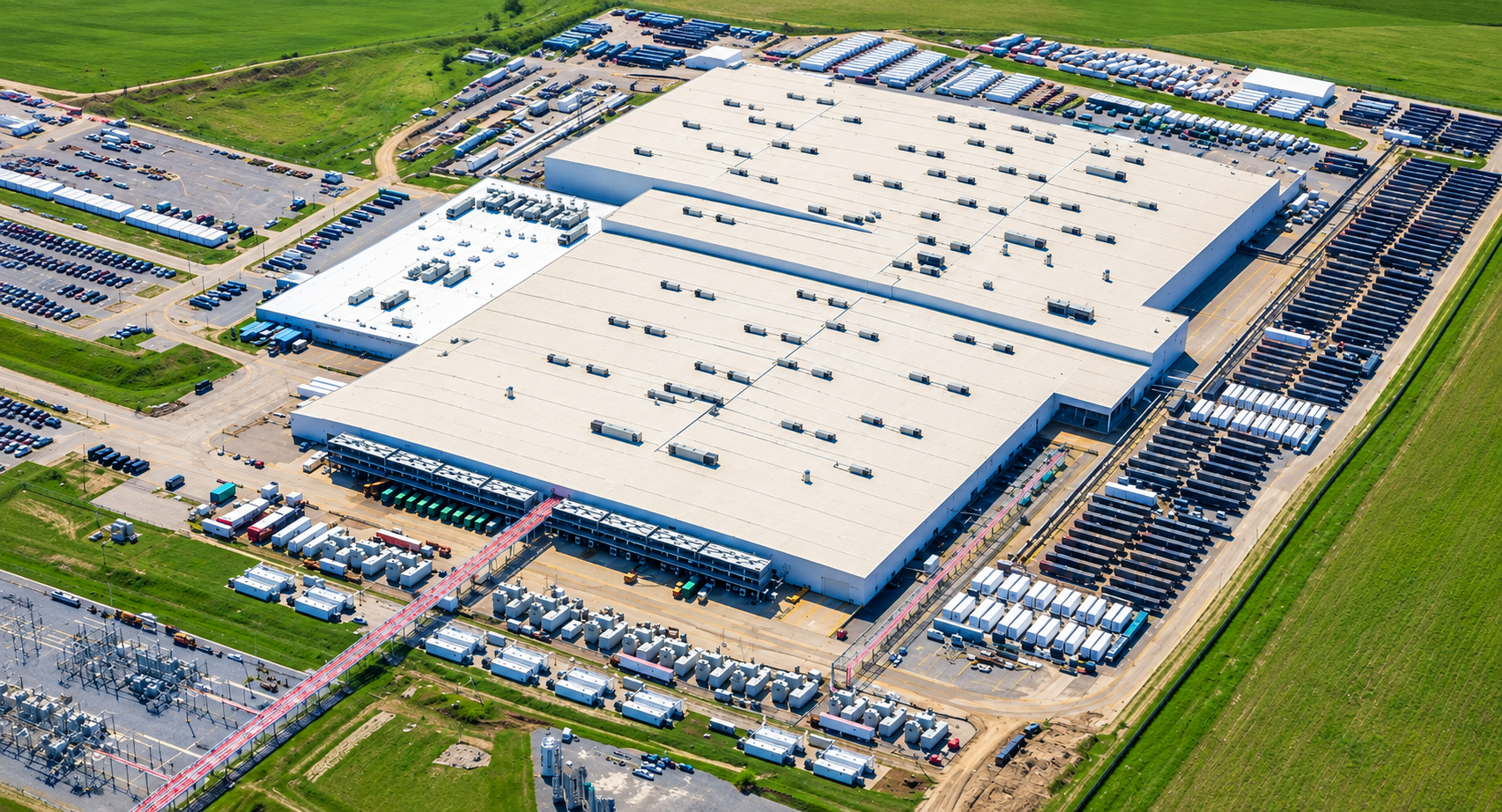
AI data centers have become one of the rare issues drawing bipartisan fire this campaign season, with both Democratic and Republican candidates pouring millions of dollars into ads attacking the sprawling facilities as public protests over their impact continue to spread across the country.
A Shared Target, Different Motivations
Candidates on both sides have seized on local frustrations over data centers' heavy electricity and water consumption, along with the noise and land use associated with the massive facilities, framing opposition to them as a way to appeal to frustrated voters regardless of party affiliation. The issue has proven unusually potent precisely because it cuts across the traditional left-right divide on technology and energy policy.
Protests Keep Growing
Demonstrations against AI data center expansion have taken place in multiple states in recent months, including a nationwide protest in Florida over the summer, as residents near proposed and existing sites raise concerns about strained local power grids and water supplies. Community pushback has already forced delays or reconsiderations of some planned facilities in several regions.
A Related Fight Over Surveillance Tech
The data center backlash has emerged alongside growing scrutiny of other technology tied to public infrastructure, including a recent move by Florida's governor to block the use of license plate readers on state roads, joining a wider group of officials and candidates speaking out against law enforcement surveillance tools. Together, the two trends point to a broader public unease with rapid technology deployment that politicians on both sides are now moving to capitalize on.
What It Means Heading Into November
Strategists say the willingness of both parties to run near-identical messaging against data centers reflects how deeply the issue resonates with voters worried about rising utility costs and strained local resources. With races heating up ahead of the midterms, expect the anti-data-center message to remain a fixture of campaign ads in swing districts where new facilities have been proposed.